
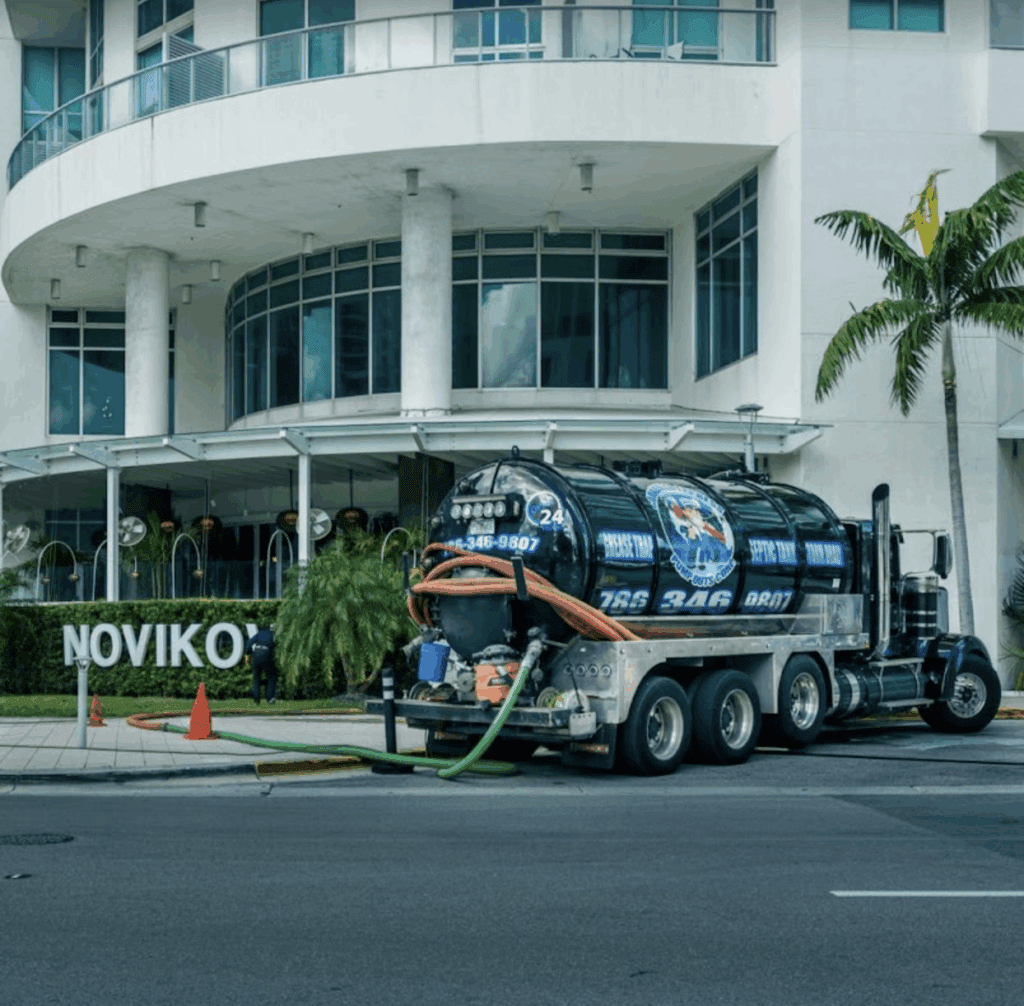
Scheduling a septic inspection Miami service is one of the most important steps homeowners can take to protect their property and avoid costly repairs. In a climate like South Florida ,where heavy rainfall, high groundwater levels, and dense soil conditions impact septic systems ,routine inspections help catch problems early before they escalate.
Caraballo Express, a trusted provider of septic services across Miami-Dade and Broward, has seen how regular inspections help prevent backups, drainfield failures, and expensive emergency repairs. Whether you’re buying a home, experiencing plumbing issues, or maintaining your system, a septic inspection is essential.
Types of Septic Inspections: Basic vs. Full/System Inspection
Not all inspections are the same. Homeowners generally choose between:
Basic Visual Inspection
This involves checking external components, plumbing fixtures, and visible signs of septic problems. It’s quick but limited, making it useful for routine checkups.
Full Septic System Inspection
A septic tank inspection Miami typically includes opening the tank, measuring sludge levels, inspecting baffles, and evaluating drainfield health. This is essential when buying or selling a home.
Septic Tank Camera Inspection
For a deeper evaluation, professionals use cameras to inspect pipelines for blockages, cracks, and root intrusion. This septic tank camera inspection is extremely helpful for diagnosing hidden issues without digging.
Homes with older plumbing or recurring drainage issues greatly benefit from this level of detail.
Preparing for a Professional Septic Inspection
To ensure smooth inspection, homeowners should prepare by:
- Clearing access to the septic tank area
- Locating previous service records (if available)
- Knowing the last pumping date
- Ensuring pets or landscaping won’t restrict the technician
Caraballo Express technicians handle every step, including locating hidden tanks, digging up access lids, and preparing the site.
Step-by-Step Breakdown of a Standard Septic Inspection
A professional inspection is detailed and methodical. Here’s what typically happens:
1. Locating the Septic Tank
Using maps, probes, or sensors, technicians identify the tank’s exact location—important for older homes where records are missing.
2. Opening the Tank Lids
The lids are carefully opened to examine the inside and check for structural problems.
3. Measuring Sludge & Scum Levels
Using specialized tools, inspectors measure the thickness of waste layers. High levels indicate the need for pumping.
4. Checking Inlet & Outlet Baffles
These components keep solids in the tank. Damaged baffles can cause solids to enter the drainfield, leading to major failure.
5. Inspecting Filters
Filters are checked and cleaned when needed to maintain efficient flow.
6. Evaluating the Tank’s Condition
Cracks, leaks, root intrusion, and corrosion are key issues inspectors look for.
7. Drainfield Inspection
The inspector checks for surface pooling, saturated soil, backflow, and proper flow from the tank to the field.
This process ensures every part of your septic system is carefully examined for performance and safety.
Advanced Inspection Techniques Used by Professionals

When needed, technicians may use specialized tools for deeper analysis:
Camera Inspections
A septic tank camera inspection helps identify pipe blockages, root intrusion, unknown leaks, and structural defects without excavation.
Dye Testing
Non-toxic dye is used to trace wastewater movement and detect leaks or drainage issues.
Soil & Absorption Testing
This assesses drainfield performance and soil saturation levels.
Hydro Jetting Service
For systems with heavy buildup or line blockages, hydro jetting service uses high-pressure water to break down grease, debris, and solid waste.
Restaurants and commercial properties especially benefit from hydro jetting Miami due to heavy grease buildup.
Common Issues Found During Septic Inspections
Professional inspections often uncover issues homeowners didn’t know existed:
- Full or overloaded septic tanks
- Clogged or damaged filters
- Grease and solid buildup in pipelines
- Root intrusion blocking pipes
- Leaking or cracked tanks
- Drainfield saturation or failure
- Improper water flow due to backups
Many of these problems develop slowly but lead to sudden system failure if ignored. Regular septic maintenance helps prevent them.
How Long Does a Septic Inspection Take?
The time required depends on the system size, accessibility, and the type of inspection:
Basic Inspection:
30–60 minutes.
Full Septic Inspection:
1–2 hours depending on tank depth and access.
Camera Inspections:
45–90 minutes depending on pipe conditions.
Larger commercial systems may take longer, especially if hydro jetting or additional diagnostics are required.
What Happens After the Inspection?
Once the inspection is complete, homeowners receive:
A Detailed Report
This includes tank measurements, structural findings, drainfield condition, and recommended next steps.
Repair Recommendations
If issues are found, technicians may suggest:
- Pumping the tank
- Cleaning filters
- Hydro jetting blocked lines
- Repairing pipes or baffles
- Drainfield restoration
- Routine septic maintenance schedule
Compliance or Service Documentation
This is especially important for property sales or if required by Miami-Dade or Broward County.
Caraballo Express provides clear, easy-to-understand reports that help homeowners make informed decisions.
Costs of a Professional Septic Inspection
Prices depend on inspection depth, tank size, and diagnostic tools required:
- Basic septic inspection: $150–$300
- Full system inspection: $300–$500
- Septic tank camera inspection: $250–$450
- Commercial inspections: varies by size
Compared to the cost of repairs ,which can reach thousands ,professional inspections are an affordable and highly beneficial investment.
Why Hiring a Certified Professional Matters
DIY septic inspections are not recommended. Certified professionals offer:
- Proper tools and equipment
- Accurate diagnosis
- Safe handling of septic components
- Environmentally compliant practices
- Expertise with local soil and climate conditions
- Ability to perform repairs immediately if needed
Caraballo Express technicians are trained to detect even the smallest issues before they become major problems.
Why Homeowners Trust Caraballo Express for Septic Inspections
Caraballo Express is one of South Florida’s leading septic companies, offering:
- Residential & commercial septic inspections
- Hydro jetting Miami for clogged lines
- Septic tank pumping & cleaning
- Drainfield evaluations and repair
- 24/7 emergency response
- Septic maintenance plans
- Camera inspections for accurate diagnostics
Serving Miami-Dade and Broward counties, they provide fast, reliable service backed by decades of local experience.
Conclusion

A professional septic inspection is the best way to protect your home, avoid costly failures, and maintain long-lasting system performance. Whether you’re experiencing slow drains, buying a property, or simply following routine maintenance, scheduling an inspection ensures your system stays healthy year-round.
Contact Caraballo Express today for dependable septic inspection Miami services.
FAQs
How often should I schedule a septic inspection in Miami?
Most Miami homes should have a septic inspection every 1–3 years, depending on usage and system age.
What happens during a professional septic inspection?
Technicians check tank levels, baffles, filters, drainfield condition, and may use septic tank camera inspection for deeper diagnostics.
How do I know if I need an inspection or full septic maintenance?
Slow drains, odors, wet patches, and frequent backups often mean you need an inspection followed by septic maintenance or repairs.
Can hydro jetting be part of a septic inspection?
Yes. If lines are clogged or filled with debris, professionals may recommend hydro jetting service or hydro jetting Miami for cleaning.
Is a septic inspection required when buying a home?
Yes. A septic tank inspection Miami is highly recommended during home purchases to ensure the system is functioning properly.


